
Fred Glick is a well-known name in the real estate and mortgage industries. With years of experience and a sharp eye for trends, he has established himself as a trusted expert for both homebuyers and investors. As we look toward 2026, Glick’s insights into the real estate market and mortgage trends can guide those making significant financial decisions. In this article, we’ll explore Glick’s perspectives and what they mean for anyone looking to enter the housing market in the near future.
Understanding the Real Estate Market through Fred Glick’s Lens
Market Dynamics and Consumer Behavior
Fred Glick has long highlighted the importance of understanding how consumer behavior and market dynamics shape the real estate landscape. As we enter 2026, Glick predicts that the housing market will continue to see shifts due to changing demographics and evolving buyer preferences.
- Demographic Shifts: Millennials, who have been slower to enter the homeownership market compared to previous generations, are now reaching their peak homebuying age. With many millennials looking to settle down and raise families, demand for both single-family homes and suburban properties is expected to increase. This generation is also more tech-savvy, which means they’ll be more inclined to use digital tools to help with their home-buying journey, from virtual home tours to digital paperwork.
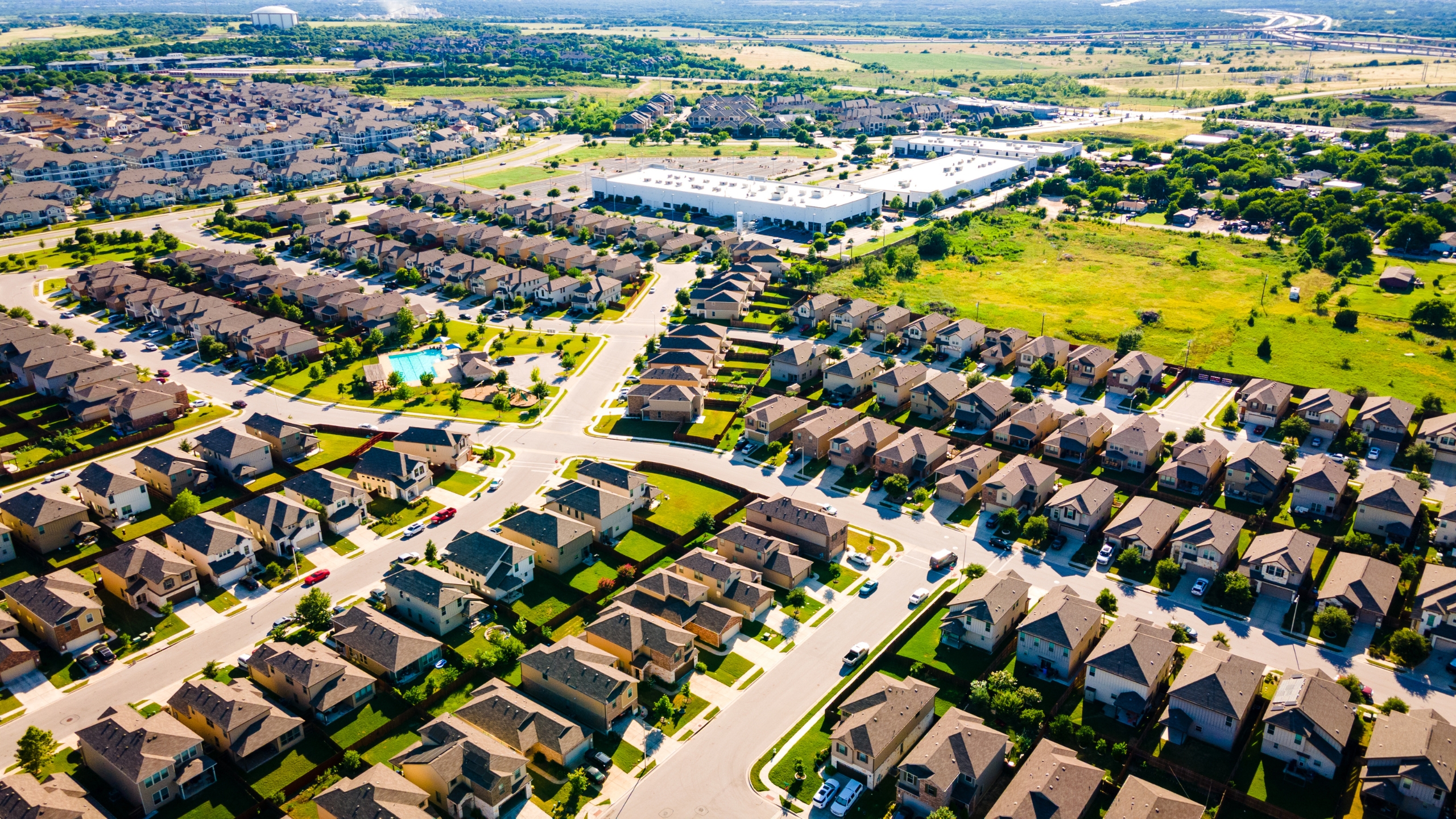
- Urban vs. Suburban: With the COVID-19 pandemic shifting how people view work-life balance, many are reconsidering where they live. The rise of remote work has made suburban and rural areas more appealing to buyers who no longer need to live close to city centers. In 2026, Glick believes this trend will continue, with suburban markets likely seeing sustained growth while demand in urban areas may remain somewhat stagnant or shift toward more affordable city neighborhoods.
Technology’s Role in Real Estate
Fred Glick is an advocate for the growing role of technology in the real estate sector. Over the past few years, real estate transactions have become increasingly digital, and Glick believes that technology will continue to transform the industry.
- Virtual Home Tours: One of the biggest game-changers in real estate is the ability to tour homes remotely. Technology such as 3D walkthroughs and virtual tours has made it easier for buyers to view properties without ever stepping foot inside them. This shift allows for greater convenience, particularly for buyers who live in different cities or states.
- Blockchain and Smart Contracts: Glick has also spoken about the potential of blockchain technology in real estate transactions. Blockchain can help streamline the buying and selling process by making transactions more secure and transparent. Smart contracts, powered by blockchain, could potentially speed up the paperwork and make closings more efficient.
- AI and Predictive Analytics: Artificial intelligence (AI) is being used to predict market trends, price homes accurately, and even assess the best times to buy or sell. Glick believes these tools will only become more advanced in the coming years, helping both buyers and sellers make more informed decisions.
Insights into Mortgage Trends for 2026
Alongside his expertise in real estate, Fred Glick has an extensive background in the mortgage industry. His insights are particularly valuable for anyone considering purchasing or refinancing a home in the next few years.
Interest Rates Predictions
One of the most pressing questions for anyone involved in the housing market is how mortgage interest rates will behave in 2026. Fred Glick has noted that mortgage rates are likely to remain influenced by both inflation and the Federal Reserve’s policies.
- The Impact of Inflation: Inflation has been one of the primary drivers of higher mortgage rates in recent years. As the cost of goods and services rises, the Federal Reserve raises interest rates to combat inflation. If inflation continues to slow down into 2026, Glick predicts that the Fed may begin to reduce its key interest rates, which could result in lower mortgage rates.
- The Federal Reserve’s Strategy: The Federal Reserve’s decisions will be a major factor in shaping mortgage rates. In Glick’s opinion, if inflation is brought under control and the economy begins to stabilize, the Fed may lower its federal funds rate, which would likely lead to a reduction in mortgage rates. However, if inflation proves to be more persistent, mortgage rates could remain elevated for a longer period.
Loan Availability and Terms
The availability of mortgage loans and the terms offered to borrowers is another area where Glick offers valuable insights. Over the last few years, tighter regulations and higher interest rates have made it harder for some people to qualify for home loans.
- Stricter Lending Standards: In the wake of the 2008 financial crisis, mortgage lenders implemented stricter lending standards to avoid risky loans. While lending standards have loosened slightly over the years, Glick suggests that they may remain relatively tight moving into 2026, especially as lenders react to any economic uncertainty.
- Government Programs: Glick also highlights the importance of government-backed mortgage programs, such as FHA and VA loans. These programs help first-time homebuyers and veterans secure loans with lower down payments and more favorable terms. If the housing market remains uncertain, these programs could become even more valuable for those looking to enter the market.
Adjustable vs. Fixed-Rate Mortgages
As mortgage rates fluctuate, it’s important for buyers to consider whether an adjustable-rate mortgage (ARM) or a fixed-rate mortgage (FRM) makes more sense for their situation.
- Fixed-Rate Mortgages: Fred Glick recommends locking in a fixed-rate mortgage if rates are still high in 2026. A fixed-rate mortgage will allow borrowers to secure a stable monthly payment for the life of the loan, which can be especially helpful in times of market volatility.
- Adjustable-Rate Mortgages: If rates are predicted to go down in 2026, an ARM might be a more attractive option for buyers who expect to move or refinance in a few years. ARMs start with a lower initial rate, but the rate may adjust upward after a set period. Glick advises borrowers to carefully consider their long-term plans when choosing between a fixed-rate or adjustable-rate mortgage.
How to Navigate the Housing Market in 2026
Fred Glick’s insights provide a roadmap for successfully navigating the housing market in the coming years. Below are some key strategies to consider for anyone looking to buy or sell property in 2026.
Be Informed and Agile
The real estate market can be unpredictable, and Glick emphasizes the importance of staying informed. Tracking local market conditions and keeping an eye on national trends can help you make decisions faster and more confidently.
- Use Data to Your Advantage: Glick encourages buyers and investors to make use of data-driven tools that provide insights into home prices, neighborhood trends, and market forecasts. Online platforms, real estate agents, and even AI-powered apps can help identify emerging trends before they become mainstream.
- Work with Experts: Whether you’re a first-time homebuyer or an experienced investor, working with a knowledgeable real estate agent, mortgage broker, or financial advisor is crucial. Glick recommends finding professionals who can offer personalized advice tailored to your needs.
Assess Financial Health
Entering the housing market in 2026 requires careful financial planning. Fred Glick advises anyone looking to purchase property to take a close look at their financial situation. This includes saving for a down payment, improving credit scores, and assessing debt-to-income ratios.
- Credit Scores: A higher credit score can help you secure better mortgage terms, including lower interest rates. Glick suggests checking your credit score well before you plan to buy a home and working on improving it if necessary.
- Down Payments: The more money you can put down upfront, the better. A larger down payment can reduce your monthly mortgage payments and possibly even help you qualify for better loan terms.
Conclusion
Fred Glick’s expertise offers invaluable guidance for understanding the future of both the real estate and mortgage markets. As we move into 2026, the housing market and mortgage landscape are expected to continue evolving due to shifts in demographics, technology, and economic conditions. For anyone looking to buy, sell, or refinance, Glick’s insights can help you make informed decisions that align with your long-term financial goals.
By staying informed about market trends, utilizing technology, and assessing your financial health, you can better position yourself to take advantage of opportunities in the real estate and mortgage sectors.

